
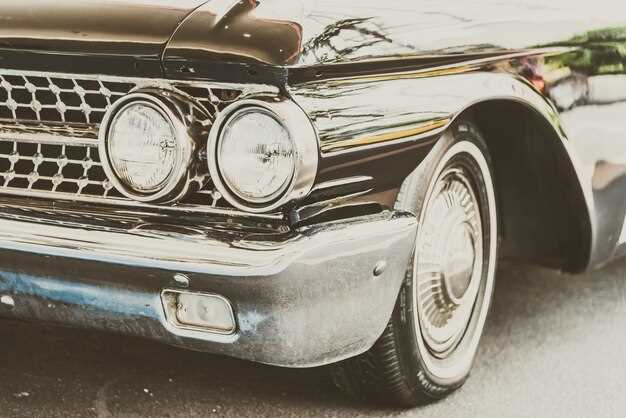
The Mercury Cougar holds a significant place in the automotive landscape, especially as an embodiment of the muscle car era that captivated enthusiasts from the 1960s onward. Its journey began in 1967, when it was introduced as a premium variant of the Ford Mustang, showcasing a unique blend of performance, style, and luxury. Over the years, the Cougar evolved into a symbol of automotive innovation, reflecting the changing tastes and technologies of the American car market.
As part of the Mercury brand, the Cougar’s history is intertwined with the rise of muscle cars, characterized by powerful engines and aggressive designs. The 1969 Cougar, for instance, featured the option of the formidable 427 cubic inch V8 engine, which established it as a serious contender in the performance arena. This commitment to power and performance solidified the Cougar’s reputation, making it a beloved choice among car lovers and collectors alike.
Throughout the 1970s, the Mercury Cougar continued to resonate with consumers, adapting to trends while maintaining its core identity. The transition from the muscle car’s raw power to a more refined and luxury-oriented approach exemplified the challenges and triumphs faced by the Cougar during its lifecycle. Today, the legacy of the Mercury Cougar endures, representing not only a remarkable history of muscle car engineering but also the spirit of innovation that defined an era in American automotive history.
Origins of the Mercury Cougar: The 1960s Muscle Car Movement
The inception of the Mercury Cougar in the late 1960s marked a significant chapter in the history of American muscle cars. Launched in 1967, the Cougar was part of a growing trend among manufacturers to create vehicles that combined performance, style, and luxury. This era was defined by a strong competition in the automotive market, where brands sought to attract a younger demographic yearning for powerful cars that delivered an exhilarating driving experience.
The Mercury brand, known for its distinctive identity, aimed to establish its presence in the burgeoning muscle car segment. The Cougar was developed as an upscale alternative to the Ford Mustang, sharing its platform but offering additional features and a more refined design. It featured a long hood, short deck configuration that was characteristic of the muscle car aesthetic, combined with elegant styling cues that appealed to a broader audience.
With a range of powerful engine options, including V8 variants, the Cougar was designed to satisfy the demands of performance enthusiasts. This emphasis on power combined with luxury set the Cougar apart from other muscle cars of the time. As a result, it not only attracted muscle car aficionados but also appealed to those looking for a more sophisticated driving experience without sacrificing performance.
The Cougar’s launch coincided with a cultural shift in the 1960s, where American youth were searching for vehicles that captured the spirit of freedom and rebellion. The visibility of muscle cars on the roads and in popular culture contributed to the Cougar’s immediate success. Its marketing emphasized both performance and style, positioning it as a desirable option for consumers looking for an iconic vehicle that represented the era’s values.
Overall, the origins of the Mercury Cougar within the context of the 1960s muscle car movement highlight its importance in automotive history. It bridged the gap between performance and luxury, appealing to a diverse audience and establishing Mercury as a competitive player in a rapidly evolving market. The Cougar’s legacy continues to echo in contemporary discussions of classic American muscle cars.
Iconic Design Features That Defined the Mercury Cougar
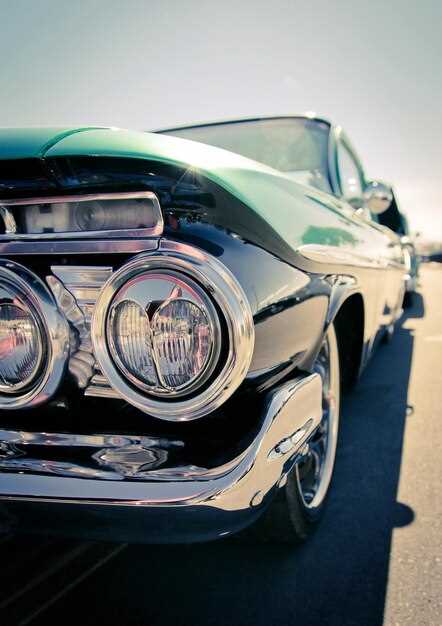
The Mercury Cougar emerged in the 1960s as a symbol of performance and elegance, capturing the essence of the muscle car era. One of the most distinctive features was its long hood and short rear deck, which provided a sense of power and speed. The sleek lines not only contributed to its aesthetics but also improved aerodynamics, enhancing its on-road performance.
The front grille of the Cougar became a hallmark of its identity, featuring a bold, cat-like design that conveyed aggression and style. The iconic quad headlights, often encased in chrome, contributed to its distinctive look, offering a striking contrast against the body. Additionally, the integration of hidden headlights in some models was a testament to its innovative engineering and design philosophy.
Inside the Mercury Cougar, attention to detail was evident, with high-quality materials and a driver-centric layout. The cockpit-style dashboard featured easy-to-read instrumentation and a comfortable seating arrangement, making both cruising and spirited driving enjoyable. Leather upholstery and optional woodgrain accents added a touch of luxury, appealing to a sophisticated audience.
The Cougar’s distinctive tail lights, with their unique sequential turn signals, became another signature feature. This design not only looked impressive but also enhanced safety by clearly indicating the driver’s intentions. Coupled with the car’s robust stance, the rear end exuded a sense of confidence and flair that set it apart from its competitors.
Overall, the Mercury Cougar combined style, sophistication, and performance, encapsulating the spirit of American muscle cars. Its iconic design features have left a lasting legacy, making it a treasured model among collectors and enthusiasts alike.
Performance Specifications and Variants Through the Years
The Mercury Cougar has a rich history as an iconic muscle car, known for its distinctive styling and performance potential. Over the decades, the Cougar has undergone various changes, each marking a unique era in automotive design and engineering. Below is a detailed look at the performance specifications and variants that defined the Cougar through the years.
1967-1970: The Birth of the Cougar
The first-generation Mercury Cougar debuted in 1967, sharing its platform with the Ford Mustang. With its sleek lines and upscale features, it attracted a different clientele from typical muscle cars.
- Engines:
- 289 cubic inch V8 – 200 hp
- 302 cubic inch V8 – 220 hp
- 390 cubic inch V8 – 280 hp
- Performance:
- 0-60 mph in approximately 7.0 seconds
- Quarter-mile times around 15.0 seconds
1971-1973: The Luxury Muscle Car Era
As the Cougar moved into its second generation, it embraced a more luxurious build while still retaining muscle car characteristics.
- Engines:
- 351 cubic inch V8 – 240 hp
- 429 cubic inch V8 – 360 hp
- Performance:
- 0-60 mph in approximately 8.0 seconds
- Quarter-mile times near 14.5 seconds with the 429 V8
1974-1976: Transition and Transformation
The third-generation Cougar faced challenges with tighter emissions regulations and fuel shortages, leading to changes in both design and performance.
- Engines:
- 351 cubic inch V8 – 175 hp
- 400 cubic inch V8 – 190 hp
- Performance:
- 0-60 mph in approximately 9.0 seconds
- Quarter-mile times worsening to around 16.0 seconds
1983-1988: Revitalization and New Directions
Revived in the early 1980s, the Cougar shed its image as a pure muscle car and embraced a more sporty approach.
- Engines:
- 3.8L V6 – 145 hp
- 5.0L V8 – 190 hp
- Performance:
- 0-60 mph in approximately 8.5 seconds
- Quarter-mile times close to 16.0 seconds
1999-2002: The Final Generation
The last iteration of the Cougar was designed as a compact coupe, which aimed to capture the spirit of the original design but faced stiff competition in the market.
- Engines:
- 2.0L I4 – 130 hp
- 2.5L V6 – 170 hp
- Performance:
- 0-60 mph in approximately 7.5 seconds
- Quarter-mile times around 15.5 seconds
Throughout its history, the Mercury Cougar has transformed while remaining a symbol of American muscle and style. Each variant offered unique performance specifications, showcasing the evolution of automotive technology and design, making the Cougar a memorable chapter in muscle car history.
Cultural Impact: The Mercury Cougar in Popular Media
The Mercury Cougar has made a substantial mark in popular media, symbolizing the muscle car era and embodying the automotive spirit of the 1960s and 70s. Its sleek design and powerful performance made it a favorite among car enthusiasts and filmmakers alike. The Cougar’s presence in films, television shows, and music has contributed to its iconic status and solidified its place in automotive history.
One notable appearance was in the classic film “Gone in 60 Seconds,” where a stunning yellow Cougar showcased its speed and style, captivating audiences. This film not only highlighted the allure of the Cougar but also emphasized the car’s racing pedigree, making it a desirable model for viewers and car culture aficionados.
Television also played a significant role in popularizing the Mercury Cougar. The series “Knight Rider,” featuring KITT, a modified car, drew parallels with the Cougar’s technologically advanced features and design. Although KITT was not a Cougar, the character’s charm and charisma echoed the appeal of Mercury’s muscle cars, influencing viewers’ perceptions of performance vehicles.
Music has also embraced the Cougar, with references in lyrics and album covers, reinforcing its status as an icon. Bands and artists used the car’s image to symbolize freedom and rebellion, aligning with the themes of their music. The Cougar’s aesthetic, combined with its historical roots, made it an ideal representation of the American automotive dream.
Overall, the Mercury Cougar’s portrayal in popular media has made it more than just a car; it represents a cultural artifact that captures the essence of its era. Its legacy continues to influence car enthusiasts and maintains its status as a symbol of power and style in the history of American muscle cars.
Collector Market Trends and Valuation of Mercury Cougars
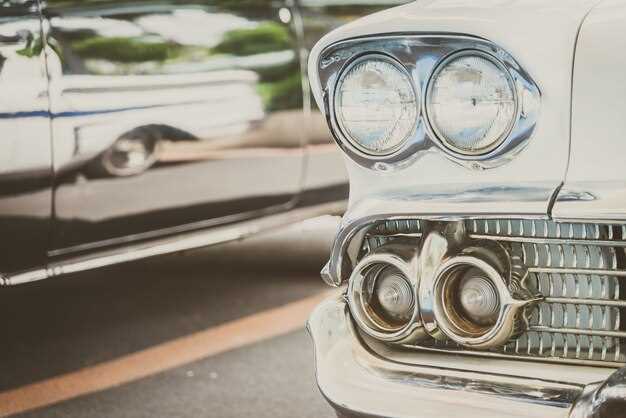
The Mercury Cougar has emerged as a notable contender in the classic car collector market, often celebrated for its blend of style and performance. Market trends indicate a growing appreciation for this iconic vehicle, particularly models produced during the late 1960s and early 1970s, which are often regarded as the pinnacle of American muscle cars.
Collector demand for Mercury Cougars has been influenced by their unique features, which distinguish them from other muscle cars of the era. Enthusiasts appreciate their sleek design, powerful engine options, and rich history, leading to a steadily increasing valuation. Currently, well-preserved models featuring original parts and documentation can fetch significant prices at auctions and private sales.
Restoration quality plays a crucial role in determining the market value of Mercury Cougars. Cars that have undergone thorough, professional restoration often command higher prices due to their authenticity and condition. Moreover, specific models, such as the Cougar XR-7, tend to attract premium valuations, particularly those equipped with rare options like the 428 cubic inch V8 engine.
Another trend impacting valuations is the rise of car shows and classic car events, where Mercury Cougars often feature prominently. These platforms not only heighten visibility among collectors but also foster community engagement, further driving interest and, consequently, market values. As the classic car community continues to embrace the Cougar, it is likely that prices will continue to reflect this growing admiration.
In conclusion, the collector market for Mercury Cougars demonstrates a healthy trajectory, with valuations supported by a mix of nostalgia, demand for high-quality restorations, and a strong enthusiast community. As awareness of Mercury’s contribution to the muscle car era expands, so too will the longing for these remarkable vehicles among collectors and automotive aficionados alike.
Restoration Tips for Mercury Cougar Enthusiasts
Restoring a Mercury Cougar is not only a labor of love but also a chance to connect with the rich history of this iconic muscle car. Enthusiasts should approach the restoration process with careful planning and attention to detail to ensure the vehicle’s legacy is preserved.
First, conduct thorough research on the specific model year of your Cougar. Understanding the history and unique features of your car will guide your restoration process. This knowledge will help you source the correct parts and maintain authenticity throughout the project.
Next, establish a budget and a realistic timeline. Restorations can become costly and time-consuming, particularly if you are not prepared. Break down the restoration into phases, prioritizing critical repairs and parts replacement. This structured approach will help you stay on track and manage your resources effectively.
When disassembling the vehicle, take detailed notes and photographs to document the original setup. Label all parts and fasteners to streamline the reassembly process. Keeping track of components is crucial, especially for a car with a complex history like the Cougar.
One of the key aspects of restoring a Cougar is sourcing original or reproduction parts. Joining Mercury Cougar clubs or forums can provide valuable recommendations and connections to suppliers who specialize in these vehicles. Fellow enthusiasts often share leads on rare components that could elevate your restoration to the next level.
During the restoration, pay particular attention to the car’s body and frame. Rust damage can be a significant issue, so ensure you perform a thorough inspection. Patch repairs may be necessary, and retaining original sheet metal is preferred to maintain the car’s history.
Engine restoration is another critical area. Whether you opt for a complete rebuild or minor refurbishments, ensure that all modifications align with the Cougar’s heritage as a performance vehicle. Consider enhancements that stay true to the muscle car spirit while adding reliability and power.
Finally, don’t overlook the importance of paint and interior restoration. Use high-quality materials to bring the Cougar back to its original glory. Preserving factory specifications can enhance the car’s value while honoring its long-standing history in the automotive world.
Restoring a Mercury Cougar requires dedication and passion, but following these tips can lead to a rewarding experience that revives the spirit of this classic muscle car for future generations.


