
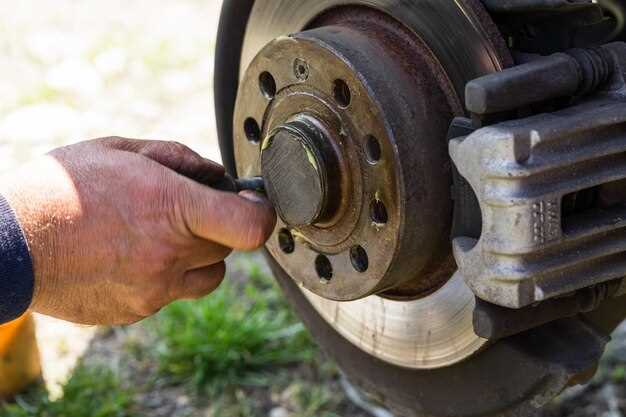
When undertaking a restoration project, one of the most critical aspects to consider is the brake system. Upgrading the brakes not only improves safety but also enhances the overall driving experience. A well-functioning brake system is essential for any vehicle, especially when it comes to classic cars that may have outdated components.
With numerous options available, choosing the right brake upgrades can seem overwhelming. Factors such as vehicle type, intended use, and performance goals play a significant role in determining which upgrades will best suit your project. For some, the focus may be on improved stopping power, while others may prioritize aesthetics or weight reduction.
Upgrades to the brake system can range from simple pad replacements to complete disc brake conversions. It’s crucial to assess each component’s compatibility with your vehicle and the anticipated demands you’ll place on the brakes. By understanding your specific needs, you can make informed decisions that will offer the best balance between performance and reliability.
Assessing Your Current Brake System Condition
Before diving into brake upgrades, it is essential to evaluate your existing brake system’s condition. A thorough assessment helps identify what components need replacement or enhancement, ensuring optimal performance for your vehicle.
Follow these steps to assess your current brake system:
-
Visual Inspection:
- Check the brake pads for wear. Replace them if they are less than 1/4 inch thick.
- Inspect the rotors for grooves or scoring. Uneven surfaces may indicate the need for resurfacing or replacement.
- Examine brake lines and hoses. Look for cracks or fraying that could lead to leaks.
- Ensure that the brake fluid reservoir is adequately filled and check for any signs of contamination.
-
Test Brake Performance:
- Take the vehicle for a test drive to assess responsiveness. Listen for unusual noises, such as squeaking or grinding.
- Evaluate the brake pedal feel. A spongy or overly soft pedal may indicate air in the lines or a failing master cylinder.
- Notice any pulling to one side during braking, which may suggest issues with calipers or uneven wear.
-
Check for Warning Lights:
- Pay attention to the dashboard warning lights related to the brake system, as they may indicate underlying problems.
- A brake warning light may signify low brake fluid levels or a malfunctioning brake component.
-
Review Maintenance History:
- Consult service records to determine when the last brake service occurred. Frequent issues may suggest deeper systemic problems.
- Identify whether the brake components have already been replaced and whether they were of high quality.
After completing your assessment, you will have a clearer understanding of your brake system’s current state. This information will guide you in making informed decisions regarding necessary upgrades or replacements to enhance safety and performance.
Understanding Different Types of Brake Upgrades
When restoring a vehicle, selecting the right brake upgrade is crucial for safety and performance. Brake upgrades can enhance stopping power, improve pedal feel, and increase overall vehicle control. This section delves into various types of brake upgrades to help you make an informed decision.
Upgrading your brakes typically involves improvements to either brake pads, rotors, calipers, or the entire brake system. Below is a breakdown of the main types of brake upgrades available:
| Type of Upgrade | Description | Benefits |
|---|---|---|
| Performance Brake Pads | Designed for higher friction and heat resistance, these pads enhance stopping performance. | Improved grip, reduced fade, and better modulation. |
| Slotted Rotors | Rotors with grooves that help dissipate heat and prevent brake fade. | Increased surface area for better braking performance. |
| Drilled Rotors | Features holes that allow for better airflow and cooling during braking. | Improved heat dissipation and reduced weight. |
| Big Brake Kits | Includes larger calipers and rotors for enhanced stopping power. | Superior performance, particularly in high-stress situations. |
| Hydraulic Brake Boosters | Boosters that use fluid pressure to enhance brake effectiveness. | Better pedal feel and reduced effort for increased driver control. |
Each type of brake upgrade brings its own set of advantages. Consider your driving style, vehicle application, and personal preferences when making a choice. Combining different upgrades can also yield significant improvements in braking performance, making your restoration project more rewarding.
Matching Upgrades to Your Vehicle Type and Usage
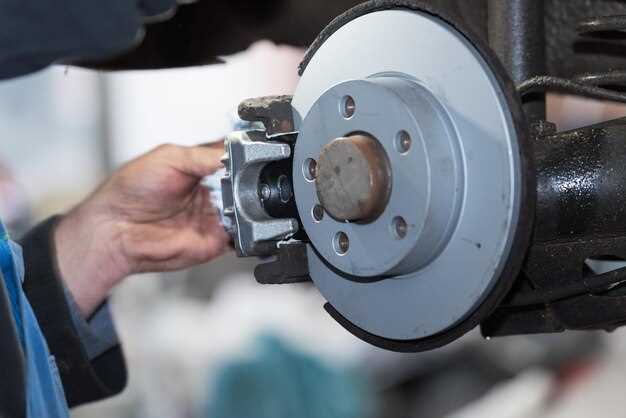
When considering brake upgrades for your restoration project, understanding the specific requirements of your vehicle type and usage is crucial. Different vehicles have unique characteristics that can affect brake performance, and matching upgrades appropriately will enhance safety and driving experience.
For classic cars, which often feature lighter frames and less powerful engines, a moderate upgrade is advisable. Opt for premium brake pads and stainless steel brake lines to improve responsiveness without compromising the integrity of the original system. This approach will maintain the vehicle’s vintage charm while providing a noticeable boost in performance.
If you’re working on a performance vehicle or a muscle car, high-performance brake systems should be your focus. Larger rotors, multi-piston calipers, and upgraded master cylinders can significantly improve stopping power and heat dissipation. These components are essential for vehicles that frequent the racetrack or participate in spirited driving.
For off-road vehicles, durability and reliability are paramount. Upgrading to heavy-duty brakes designed to withstand extreme conditions is essential. Look for options with excellent corrosion resistance and high-temperature performance to cope with the demands of rugged terrain.
Lastly, for daily drivers, a balanced approach to upgrades is key. Consider brake kits that offer a blend of comfort, durability, and performance without excessive noise or dust. This ensures a reliable driving experience suitable for various road conditions.
In summary, matching brake upgrades to your vehicle type and how you intend to use it will ensure optimal performance and safety. Careful consideration of your vehicle’s specifications and driving style will guide you toward the most effective enhancements, ensuring your restoration project is a resounding success.
Evaluating Brake Material Options for Longevity
When restoring a vehicle, selecting the right brake materials is crucial for ensuring the longevity and reliability of the brake system. Various materials are available, each offering different benefits and drawbacks. Understanding these options helps in making an informed decision that aligns with the restoration goals and driving conditions.
One popular brake material is organic friction material, often composed of natural fibers and resins. This option provides excellent performance for everyday driving, as it offers good stopping power with low noise. However, organic materials tend to wear out faster under heavy use or high temperatures, making them less suitable for performance applications.
Another common choice is semi-metallic brake pads, which contain metal fibers mixed with other materials. These pads excel in heat dissipation and provide consistent stopping performance, even in demanding conditions. Their durability makes them a favored choice for both street and track use. However, they can produce more noise and wear down rotors more quickly compared to other materials.
For those seeking maximum durability and performance, ceramic brake pads present an excellent option. Composed of a dense ceramic material, these pads generate minimal dust and noise while maintaining reliable braking efficiency. They are less prone to fade under extreme conditions, making them suitable for performance vehicles. However, the initial cost may be higher compared to other materials.
Additionally, it is essential to consider rotor materials as they play a vital role in the overall longevity of the brake system. Cast iron rotors are widely used due to their affordability and effectiveness, although they can be heavy. Upgraded options like carbon composite or carbon-ceramic rotors offer improved performance and reduced weight but come at a premium price point.
In conclusion, evaluating brake material options requires balancing factors such as driving style, vehicle type, and environmental conditions. Selecting the right materials for the brake system is critical to achieving optimal performance and longevity in your restoration project.
Ensuring Compatibility with Existing Components
When considering a brake upgrade for your restoration project, compatibility with existing components is crucial to ensure a functional and safe braking system. Assessing the current setup involves understanding the dimensions, mounting points, and performance characteristics of your existing brakes.
First, examine the type of brake system currently in use. Different vehicles may have disc or drum brakes, and the upgrade must align with these configurations. For instance, if your vehicle has drum brakes, transitioning to disc brakes often requires additional modifications to the suspension and wheel hub.
Next, focus on the size and configuration of components such as calipers, rotors, and brake lines. Upgrading to larger rotors may improve braking performance, but it is essential to check if the new parts will fit within the existing wheel wells. Additionally, verify that the caliper bracket mounting points are compatible.
Furthermore, consider the hydraulic system. The master cylinder must be capable of handling the increased fluid demands and pressure of upgraded components. Upgrading the master cylinder may also be necessary to ensure adequate pedal feel and responsiveness.
Lastly, don’t overlook the importance of the wheel and tire combination. Upgraded brakes often generate more heat and may require wheels with better ventilation. This ensures that your upgraded system performs efficiently without compromising safety.
By thoroughly assessing these aspects, you can make informed decisions about your brake upgrade while ensuring harmony with your vehicle’s existing components.
Installation Choices: DIY vs. Professional Help
When it comes to upgrading your brake system during a restoration project, one of the crucial decisions involves choosing between a DIY approach or seeking professional assistance. Each option has its pros and cons that can significantly impact the overall success of the project.
Opting for a DIY installation can be rewarding, especially for those with mechanical skills and a passion for hands-on work. It allows for greater control over the process, potentially leading to cost savings. Many car enthusiasts find the experience fulfilling as they gain a deeper understanding of their vehicle’s brake system. However, this approach requires a careful assessment of your capabilities. If you’re not adequately experienced, mistakes can result in compromised safety or performance, which defeats the purpose of upgrading.
On the other hand, hiring a professional can streamline the installation process and ensure that the brake system is configured correctly. Experienced technicians not only possess the knowledge but also have access to specialized tools that can facilitate a more precise installation. This option may be more expensive, but it offers valuable peace of mind, especially when it comes to critical components like brakes that are vital for safety. If the restoration project involves intricate or advanced braking upgrades, professional help might be the best choice to ensure optimal performance.
Ultimately, the decision between DIY and professional help in brake system upgrades should be guided by your level of expertise, the complexity of the installation, and the importance you place on safety and reliability. Carefully weigh the benefits and drawbacks of each path to determine the best fit for your restoration project.


