
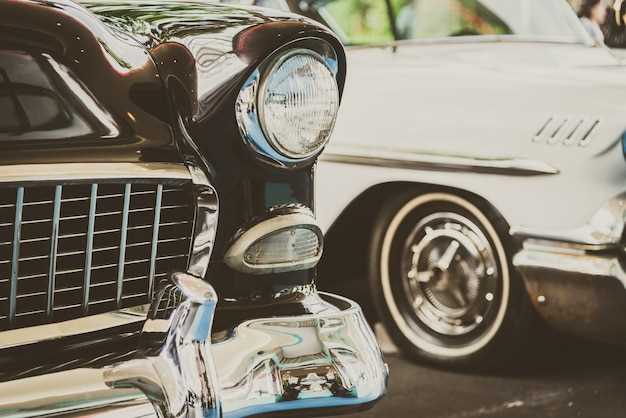
The world of muscle cars is a vibrant tapestry woven with power, speed, and an enduring passion shared among collectors. Among these mechanical masterpieces, rare editions stand out as true icons, celebrated not just for their performance but also for their unique place in automotive history. From the roaring engines of the past to their sleek, distinctive designs, muscle cars have captivated the hearts of enthusiasts and collectors alike.
As the demand for these legendary models continues to rise, the hunt for collectible rare editions becomes a thrilling endeavor. Each model tells a story, reflecting the era in which it was crafted and the engineering innovations of its time. Rare editions, often produced in limited quantities, hold a special allure, making them highly sought after in the automotive market. The investment potential paired with the nostalgia they evoke ensures that these vehicles remain a focal point for both seasoned car aficionados and new collectors.
In this article, we will delve into the fascinating world of collectible rare editions of iconic muscle cars, exploring notable models, their historical significance, and the factors that contribute to their desirability among collectors. Whether you are a seasoned enthusiast or simply curious about what makes these cars so special, the journey through this storied landscape promises to be both enlightening and engaging.
Identifying the Most Sought-After Muscle Car Models
The muscle car phenomenon, characterized by high performance and aggressive styling, has captured the hearts of automotive enthusiasts and collectors alike. Identifying the most sought-after models involves understanding the unique features, historical significance, and rarity of various vehicles that define this genre.
Many collectors look for iconic muscle cars that have made a lasting impact on automotive history. Key factors influencing desirability include engine specifications, production numbers, and the overall condition of the car. Below is a table showcasing several of the most coveted muscle car models, highlighting their notable attributes:
| Muscle Car Model | Production Years | Engine Options | Estimated Value Range |
|---|---|---|---|
| Plymouth Hemi Cuda | 1970-1971 | 426 Hemi V8 | $1.5M – $3M+ |
| Ford Mustang Boss 302 | 1969-1970 | 302 V8 | $50K – $150K |
| Dodge Charger R/T | 1968-1970 | 426 Hemi V8 | $70K – $150K |
| Chevrolet Chevelle SS 454 | 1970 | 454 V8 | $70K – $130K |
| Pontiac GTO Judge | 1969-1971 | 400 V8 | $50K – $100K |
Collectors often seek models that boast original parts, proper documentation, and low mileage to increase their investment value. The classic appeal of muscle cars, combined with the legacy they carry, continues to fuel the passion of collectors aspiring to own a piece of automotive history.
Evaluating Rarity and Value in the Muscle Car Market

When considering collectible rare editions of iconic muscle cars, understanding rarity and value is essential for both enthusiasts and investors. Several factors contribute to a model’s status in the market, influencing how its value fluctuates over time.
Here are some key elements that determine rarity and value:
- Production Numbers: Limited production runs directly affect a model’s rarity. The fewer units manufactured, the more sought after the vehicle becomes. Examples include:
- Plymouth Hemi ‘Cuda
- Chevrolet Camaro Z/28
- Dodge Challenger T/A
- Unique Features: Rare models often include distinct attributes such as special paint jobs, unique engine options, or exclusive packages that were not widely available.
- Historical Significance: Cars with a rich history or those associated with significant automotive events or figures can command higher value. Models that won races or have had notable owners typically fall into this category.
- Condition and Documentation: The present state of the vehicle, including restoration levels, original parts, and documentation history, plays a critical role in value assessments. Cars with complete service records and unique provenance are especially prized.
- Market Trends: The muscle car market is influenced by trends in car culture and collectors’ interests. Models that experience a resurgence in popularity often see a spike in value.
Verification of rare models is crucial for potential buyers. Authenticity checks, including VIN number verification and original sales documentation, help validate the vehicle’s rarity and its rightful market value.
Ultimately, evaluating rarity and value in the muscle car market requires thorough research and an understanding of the factors that influence these appealing automotive collectibles.
Top Characteristics that Define a Collectible Muscle Car
When it comes to collectible muscle cars, several key characteristics distinguish the rare models from the rest. These vehicles often have a storied history, encompassing unique design elements, powerful performance capabilities, and limited production runs that contribute to their desirability.
One of the primary characteristics is the engine performance. High horsepower and torque figures are critical, as they define the muscle car’s performance on the road. Models equipped with iconic engines, such as the HEMI V8 or the LS series, are particularly sought after among collectors.
Another defining trait is the rarity of the model. Limited production runs or special editions, often tied to specific years, play a significant role in the collectibility of a muscle car. For example, vehicles that were only produced in small numbers or have unique features, such as special paint colors or unique interior options, become highly coveted.
Design elements also contribute significantly. Classic muscle cars typically showcase bold styling, aggressive lines, and distinctive aesthetics that have stood the test of time. Models featuring period-correct decals, emblems, and color schemes often attract more collectors, as these details represent authenticity and nostalgia.
The provenance, or history of ownership, adds another layer of value. Documentation verifying a car’s authenticity, including original sales papers, maintenance records, and ownership history, enhances its appeal. Cars once owned by celebrities or featured in films can see their worth exponentially increase due to their backstory.
Finally, the overall condition of the muscle car is crucial. Vehicles that have been well-maintained or restored to near-original standards will typically command higher prices. Collectors are particularly interested in models with original parts, as they maintain their authenticity and value.
In summary, the defining characteristics of collectible muscle cars are their performance, rarity, design, provenance, and condition, all of which contribute to their allure among enthusiasts and collectors alike.
Restoration Guidelines for Rare Muscle Car Editions
Restoring rare muscle cars is a meticulous process that requires attention to detail and a deep appreciation for automotive history. Collectors must prioritize authenticity, ensuring that every element–from the engine to the interior–is as close to the original specifications as possible.
First, begin with thorough research. Collectors should familiarize themselves with the specific model, its production year, and the variations that may exist. Understanding the original parts, paint codes, and factory options will guide the restoration process effectively.
Next, assess the condition of the vehicle. Inspect the frame, body, and mechanical components for signs of wear or damage. Document the condition meticulously, as this information will be invaluable for planning the restoration and maintaining the vehicle’s value.
When sourcing parts, collectors should prioritize original components wherever feasible. This may require searching specialized forums, auctions, and vintage parts suppliers. OEM parts maintain the authenticity and resale value of rare editions.
Now, the restoration process can begin. It is advisable to enlist skilled professionals who have experience with muscle cars. Their expertise will ensure that the work meets high standards, particularly for complex tasks like engine rebuilding and bodywork.
During the restoration, keep detailed records of all work performed. This documentation enhances provenance, which is crucial for collectors. A well-documented restoration significantly increases a rare muscle car’s desirability in the collector market.
Finally, practicing proper maintenance post-restoration is essential. Regular upkeep will preserve the vehicle’s condition and prevent deterioration. This commitment not only honors the car’s legacy but also enhances its value as a collectible rare edition.
Effective Strategies for Building a Muscle Car Collection
Building a muscle car collection requires a blend of knowledge, passion, and strategic thinking. One of the most effective strategies is to focus on acquiring rare models that have significant historical value and desirability among collectors. Start by researching the muscle car market thoroughly to identify which models are considered classics and have the potential for appreciation over time.
When selecting vehicles, prioritize those with limited production runs, special editions, or unique features that set them apart. This will not only enhance the value of your collection but also provide a sense of pride in owning a piece of automotive history. Engaging with online communities and attending muscle car shows can provide insights into which models are in high demand and may become rare in the future.
Another key strategy is to network with fellow collectors, enthusiasts, and restorers. Building relationships in the muscle car community can lead to opportunities to purchase rare models before they hit the mainstream market. Establishing a network will also keep you informed about upcoming auctions, private sales, and even estate sales where rare models might be available.
It’s essential to keep documentation and provenance of each vehicle. This includes historical data, original sales receipts, and any restoration work done. Documentation enhances the value of rare models and provides buyers with confidence when considering future sales. Additionally, consider how the condition of each model impacts its value. Unless you are experienced in restoration, focus on models that are in good condition or come with robust restoration history.
Lastly, remain patient and disciplined in your pursuit. Building a valuable muscle car collection doesn’t happen overnight. Set clear goals for your collection, whether it’s focusing on a specific era, brand, or type of muscle car. By following these effective strategies, you can create a well-rounded and valuable collection of rare muscle cars that reflects both your passion and investment potential.
Where to Find Rare Muscle Cars for Sale
Finding rare muscle cars for sale requires dedication and knowledge of the right platforms and locations. Many collectors focus on specific models, which creates a vibrant market for enthusiasts. Here are some reliable avenues to explore:
Online Auctions: Websites like eBay Motors and Bring a Trailer offer a wide range of rare muscle car models. These platforms allow collectors from all over the globe to list their vehicles, ensuring a diverse selection. Bidding on these auctions can lead to finding unique pieces that may not be available elsewhere.
Specialized Dealerships: Some dealerships specialize in classic and muscle cars. They often have rare models in their inventory or can connect buyers with private sellers. Establishing a relationship with these dealerships can provide valuable insights into upcoming listings.
Car Shows and Auctions: Attending local and national car shows is an excellent way to meet fellow aficionados and discover rare muscle cars for sale. Events such as the Barrett-Jackson Auction or the Mecum Auctions focus specifically on classic and muscle cars, showcasing models that are often hard to find.
Online Forums and Communities: Joining online communities dedicated to muscle car enthusiasts can be incredibly beneficial. Sites like the Muscle Car Club or dedicated Facebook groups often have listings for rare models, along with advice from experienced collectors on where to find unique cars.
Classified Ads: Traditional classified platforms like Craigslist can also yield hidden gems. It’s important to regularly check listings as they can change rapidly. Be prepared to act quickly if you find a desirable model.
In conclusion, finding rare muscle cars for sale requires a mix of online research, community engagement, and active participation in car culture. By leveraging these resources, collectors can discover models that embody the spirit of American automotive history.


