
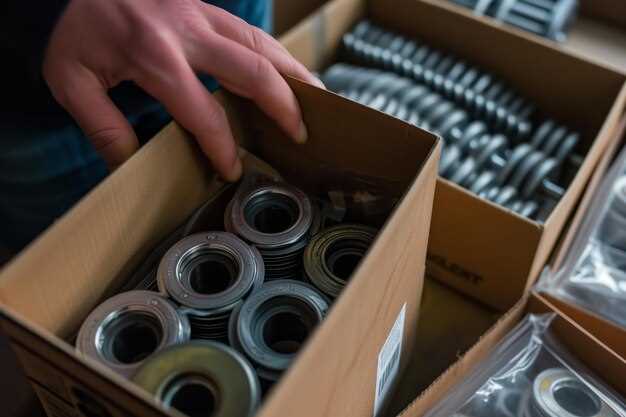
When embarking on the journey of restoring or building a classic car, one of the most crucial steps is sourcing high-quality OEM (Original Equipment Manufacturer) parts. These components not only ensure that your vehicle retains its original charm and performance but also provide reliability and authenticity that aftermarket parts often lack. Whether you are a seasoned enthusiast or a newcomer to classic car restoration, understanding the importance of OEM parts is vital for the success of your project.
OEM parts are designed specifically for your classic vehicle, adhering to the original specifications and standards set by the manufacturer. This means they fit perfectly and function as intended, maintaining the integrity of your car’s design and engineering. Using these genuine parts can significantly enhance the value of your classic car, making it a worthy investment for future generations of automotive enthusiasts.
Finding the right OEM parts can be a daunting task, given the rarity and demand associated with classic vehicles. Enthusiasts often have to navigate a maze of automotive suppliers, online marketplaces, and specialty stores to locate the exact components needed. In this article, we will explore effective strategies for sourcing OEM parts, ensuring your classic car build remains true to its heritage while achieving the performance you desire.
Identifying Authentic OEM Parts for Classic Cars
When embarking on the journey of restoring a classic vehicle, knowing how to identify authentic OEM (Original Equipment Manufacturer) parts is essential. Genuine OEM parts are designed to match the original specifications of your car, ensuring optimal performance and preserving its historical integrity.
1. Understand the Importance of OEM Parts: OEM parts provide the same quality and reliability as the parts that were originally installed in your car. Using these components not only supports vehicle originality but also maintains its value in the classic car market.
2. Research Your Vehicle: Before searching for parts, gather as much information about your classic car as possible. Refer to the owner’s manual and technical documentation to familiarize yourself with the specific OEM part numbers. This knowledge will empower you to distinguish between genuine parts and counterfeit alternatives.
3. Look for Official Markings: Authentic OEM parts often have specific markings or logos from the manufacturer, such as part numbers, symbols, or holograms. These identifiers can help verify the legitimacy of the part you are considering for your vehicle.
4. Check with Trusted Suppliers: Purchase OEM parts from reputable dealers or manufacturers. Established suppliers often have access to an extensive catalog of OEM parts and can provide documentation or proof of authenticity.
5. Join Classic Car Communities: Engage with classic car enthusiast groups or online forums. Members often share insights and experiences regarding the best sources for OEM parts, as well as tips for identifying genuine components. Networking can lead you to trustworthy suppliers and valuable information.
6. Understand the Pricing: Be cautious of prices that seem unusually low. Authentic OEM parts typically come at a premium price due to their quality and reliability. If a deal sounds too good to be true, investigate further to ensure the part’s authenticity.
7. Seek Professional Advice: If you’re unsure about a specific part, consult with a mechanic who specializes in classic vehicles. Their expertise can guide you in identifying genuine OEM components and help avoid costly mistakes.
In conclusion, identifying authentic OEM parts for your classic car is crucial for successful restoration. By conducting thorough research, verifying markings, purchasing from trusted sources, and engaging with knowledgeable communities, you can ensure that your build remains true to its original design and performance standards.
Navigating Online Marketplaces for OEM Parts
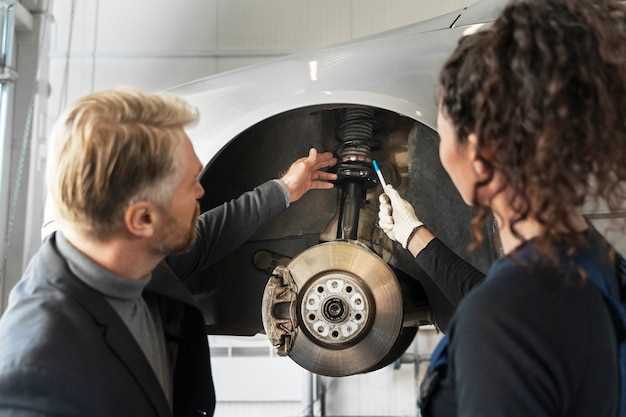
Finding genuine OEM parts for your classic vehicle can be a challenging task, but online marketplaces have made the search significantly easier. However, navigating these platforms requires careful consideration to ensure that you are purchasing authentic components.
Here are some essential tips for effectively sourcing OEM parts through online marketplaces:
- Choose Reputable Platforms: Stick to well-known online marketplaces like eBay, Amazon, or specialized classic car parts websites. Ensure the platform has a good reputation and positive user reviews.
- Search with Specificity: Use precise keywords when searching for parts. Include the make, model, year, and part number to filter out irrelevant listings.
- Verify Seller Credentials: Check the seller’s profile. Look for ratings, feedback, and how long they have been active. Reliable sellers usually have extensive experience and positive customer remarks.
- Examine Product Descriptions: Read the descriptions thoroughly. Authentic OEM parts should clearly state their origin, part number, and compatibility with your vehicle.
- Request Additional Information: Don’t hesitate to contact sellers for more details about the part or for high-resolution images. This can help in assessing the condition and authenticity of the item.
In addition to sourcing OEM parts, it’s crucial to be aware of potential red flags:
- Unusually Low Prices: If a deal seems too good to be true, it probably is. Ensure prices are in line with market value for similar OEM parts.
- Lack of Return Policy: Trustworthy sellers often offer return policies. Avoid transactions without a guarantee in case the part does not meet your expectations.
- Overly Vague Details: Be wary of listings with minimal information. OEM parts should have detailed descriptions regarding specifications and compatibility.
By following these tips and staying vigilant, you can successfully navigate online marketplaces to find the OEM parts necessary for your classic car build. This approach not only helps to maintain the integrity of your vehicle but also enhances its overall value.
Evaluating Compatibility of OEM Parts with Your Classic Vehicle
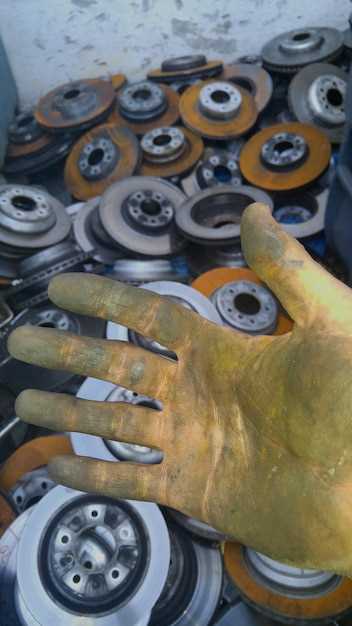
When restoring a classic car, ensuring that OEM parts are compatible with your vehicle is essential for both performance and authenticity. The first step in evaluating compatibility is to identify the specific make and model of your classic car. Each car has unique specifications that dictate which parts are suitable.
Next, reference the vehicle identification number (VIN). The VIN provides vital information regarding production year, original equipment, and engine specifications. Consult OEM parts catalogs or manufacturer databases to cross-check the part numbers against your vehicle’s requirements.
Additionally, inspect the part itself for any markings or identifiers that can indicate its compatibility. Original OEM parts typically have specific logos, stamps, or numbers that signify their authenticity. If purchasing from a third-party supplier, verify that the parts are advertised as OEM rather than aftermarket. While aftermarket parts can fulfill a similar function, they may not meet the same quality standards as OEM options.
Before finalizing your purchase, consider reaching out to online forums or classic car communities. Engaging with other enthusiasts can provide insights into parts compatibility and recommendations on reliable suppliers. Feedback from fellow classic car builders can often highlight potential fitment issues or other concerns related to specific OEM parts.
Finally, once you have acquired the intended parts, perform a trial fitment wherever possible. This practical check allows you to uncover any discrepancies in size or shape before committing to installation. Ensuring an accurate fit ensures the performance and longevity of your classic vehicle.
Understanding the Cost Factors in OEM Parts Procurement
When restoring a classic car, obtaining OEM (Original Equipment Manufacturer) parts is crucial for maintaining authenticity and performance. However, several cost factors influence the procurement of these parts. Understanding these factors can help you plan your budget effectively and make informed decisions.
One of the primary cost factors is the rarity of the parts. Classic cars often contain components that are no longer mass-produced, leading to increased prices due to limited availability. Components from popular models may be easier to source but can still be expensive due to demand among enthusiasts.
Another significant factor is the quality of the OEM parts. Higher quality parts typically offer better durability and reliability, which can be essential for a classic vehicle that needs to perform well. Investing in high-quality components can save costs in the long run, reducing the need for frequent replacements.
The sourcing method also plays a role in the overall cost. Purchasing parts directly from manufacturers may ensure authenticity, but it can often be pricier than third-party suppliers or aftermarket options. However, aftermarket parts might not always meet the same standards, leading to potential issues down the line.
Logistics and shipping costs can further complicate pricing. Sourcing parts from overseas may incur additional fees, including customs duties, which can significantly impact your budget. Local suppliers may provide a more cost-effective solution, minimizing shipping expenses and transit times.
| Cost Factor | Impact on Price |
|---|---|
| Rarity of Parts | Higher prices due to limited availability |
| Quality of Parts | Better durability but may increase upfront costs |
| Sourcing Method | Direct purchasing may be more costly than aftermarket options |
| Logistics and Shipping | Additional fees can significantly increase total costs |
Lastly, staying informed about market trends and price fluctuations can aid in budgeting. Rates for OEM parts can vary due to demand cycles, thus researching or subscribing to newsletters from classic car forums and suppliers will provide insights into the best times to buy.
Building Relationships with OEM Parts Suppliers
Establishing strong relationships with OEM parts suppliers is crucial for any classic vehicle build. These partnerships provide access to high-quality components that are often essential for maintaining the authenticity and performance of classic cars. Finding the right suppliers can significantly enhance the restoration process, ensuring that every part meets OEM specifications.
Communication is key when building relationships with suppliers. Clear and regular dialogue helps to convey specific needs related to classic parts, making it easier for suppliers to understand expectations. Cultivating a relationship based on trust and reliability can lead to better pricing, timely deliveries, and priority service on hard-to-find parts.
Networking within the classic car community can also yield valuable insights into reputable OEM parts suppliers. Attend car shows, join forums, and participate in local clubs to connect with enthusiasts who can recommend trusted sources. By engaging with others who share your passion, you may discover suppliers who specialize in the specific OEM parts required for your classic build.
It’s important to consider the long-term relationships with suppliers. These connections can result in not only better service and pricing but also valuable advice and support for your project. Suppliers familiar with your restoration goals can provide insights into the best parts for your specific needs, ensuring that your classic vehicle retains its original charm while benefiting from modern reliability.
Lastly, maintaining a level of professionalism and respect in all interactions will foster a positive relationship. Suppliers are more likely to prioritize your orders and provide assistance if they feel valued and respected. By investing time in building these connections, you will enhance the quality of your classic vehicle build and simplify the sourcing of essential OEM parts.
Assessing Quality and Warranty Options for OEM Parts
When it comes to restoring or building a classic car, sourcing original equipment manufacturer (OEM) parts is crucial for maintaining authenticity and performance. However, not all OEM parts are created equal, making it essential to assess their quality and warranty options before making a purchase.
Quality assessment begins with verifying the supplier’s reputation. Look for established distributors with positive reviews from fellow classic car enthusiasts. Reputable suppliers often provide detailed information regarding the manufacturing process, which can give you insight into the part’s durability and reliability. Additionally, check for any certifications or quality assurance labels that indicate the part meets industry standards.
Next, inspect the part itself for any signs of defects or subpar craftsmanship. Genuine OEM parts are typically marked with the manufacturer’s logo and serial numbers. If you are purchasing online, request high-resolution images or a video showcasing the part from different angles. This additional scrutiny can help ensure you are receiving a legitimate product.
Warranty options are another critical factor when evaluating OEM parts. A robust warranty not only reflects confidence in the product’s quality but also provides peace of mind for the buyer. Evaluate the length of the warranty and what it covers–such as manufacturing defects and performance issues. Some suppliers offer extended warranties for certain parts, which can be advantageous for classic car builds requiring significant investment.
Ensure you understand any conditions tied to the warranty. Some may require proper installation by certified professionals, or they may exclude specific use cases. By being informed about these stipulations, you can avoid potential pitfalls that could void your warranty.
In conclusion, assessing the quality and warranty options for OEM parts is a vital step in ensuring the success of your classic car project. By doing thorough research and considering both factors, you can make informed decisions that will ensure your build stands the test of time.


