

For many classic car enthusiasts, the rebuild of a carburetor is a crucial step in restoring the performance and aesthetics of a vintage V8 engine. A well-functioning carburetor not only enhances the engine’s efficiency but also contributes to the overall driving experience, ensuring that every mile is enjoyable. Understanding the intricacies involved in this process is essential for anyone looking to maintain the authenticity of their classic ride.
A carburetor is responsible for mixing air and fuel in the proper ratio, which directly impacts engine performance. Over time, components may wear out or become clogged, leading to a decrease in power and efficiency. In order to restore your carburetor to its former glory, a thorough rebuild can breathe new life into the engine. This process includes disassembling the carburetor, cleaning each part meticulously, replacing any worn-out pieces, and finally reassembling it with precision.
In this article, we will explore the step-by-step process of rebuilding a carburetor for your classic V8 engine. From gathering the necessary tools and parts to troubleshooting common issues, this comprehensive guide aims to equip you with the knowledge needed to tackle this rewarding project with confidence. Ready to dive into the details? Let’s get started!
Choosing the Right Carburetor Kit for Your Engine Model
Selecting the correct carburetor kit for your classic V8 engine is critical for optimal performance and efficiency. Begin by identifying the specific engine model and its requirements. Each V8 engine varies in specifications, such as displacement and intended use, which influences carburetor design and setup.
Next, consider the carburetor type suitable for your application. Two-barrel or four-barrel carburetors each have their pros and cons. A two-barrel carburetor typically provides better fuel economy for street use, while a four-barrel can deliver enhanced power and acceleration for performance-oriented builds. Verify compatibility with your engine’s intake manifold, as this will dictate the type of carburetor you can install.
Additional factors include the desired horsepower level, driving conditions, and tuning capabilities. Some kits come with adjustable jets and metering rods, allowing for fine-tuning based on environmental conditions or performance goals. Ensure that the kit includes all necessary components, such as gaskets, hardware, and detailed instructions, to simplify the rebuild process.
Lastly, consult with fellow enthusiasts, mechanics, or online forums dedicated to classic cars. Their experience can provide valuable insights into which carburetor kits have proven reliable for your specific engine model. Investing time in research will ensure that you select a high-quality carburetor kit that meets the needs of your classic V8 engine.
Disassembling Your Carburetor: Tools and Techniques
When it comes to rebuilding a carburetor for your classic V8 engine, disassembly is a critical step that requires precision and care. Having the right tools and employing proper techniques will ensure that you can effectively restore your carburetor to optimal working condition. Below are the essential tools and techniques for successfully disassembling your carburetor.
| Tools | Description |
|---|---|
| Socket Set | A set of sockets (both metric and standard) will help you easily remove bolts and nuts securing the carburetor to the intake manifold. |
| Screwdrivers | Both flathead and Phillips screwdrivers are necessary for removing various screws from the carburetor body and components. |
| Wrenches | Open-end or adjustable wrenches are useful for loosening fittings and fuel lines connected to the carburetor. |
| Fuel Line Wrench | This specialized wrench minimizes the risk of damaging fuel line fittings during disassembly. |
| Carburetor Rebuild Kit | A rebuild kit typically includes gaskets, O-rings, and other necessary components for reassembly. Ensure you have one ready before disassembling. |
| Cleaning Supplies | Use carburetor cleaner and a parts washer to clean individual components thoroughly after disassembly. |
| Magnetic Tray | This tool helps keep small parts organized and prevents loss during the disassembly process. |
To begin the process, ensure the engine is cool. Start by disconnecting the battery and removing any hoses or electrical connections linked to the carburetor. Carefully unfasten the nuts and bolts securing the carburetor to the intake. As you disassemble each component, place it in your magnetic tray to keep track of all small parts.
Pay close attention to the order in which you remove components, such as the float, needle, and jets, as this will aid greatly in reassembly. Take photos or notes if necessary to document the disassembly process fully. After removing components, clean each part with carburetor cleaner to eliminate any dirt or varnish buildup.
With the correct tools and careful techniques, disassembling your carburetor can be a straightforward and rewarding process, setting the stage for an effective rebuild.
Cleaning and Inspecting Carburetor Components
When planning to rebuild a carburetor for your classic V8 engine, thorough cleaning and inspection of the components is crucial for optimal performance. Begin by disassembling the carburetor carefully, ensuring that each part is organized for easy reassembly. Take note of the condition of components such as the float, jets, and throttle body.
First, clean all metal parts using a carburetor cleaner or a suitable solvent. A soft brush can help dislodge carbon buildup and debris from intricate passages and surfaces. For stubborn grime, a soak in the cleaning solution may be necessary. Ensure that all passages are clear; using compressed air can aid in removing any lingering contaminants.
Next, inspect the components for wear and damage. Look for cracks, warping, or pitting on surfaces that could affect sealing and performance. Pay special attention to the float. If it is saturated with fuel or shows signs of deterioration, it must be replaced to prevent flooding issues.
Examine the gaskets and diaphragms as well; these parts should be intact and pliable. Any signs of wear, cracking, or rigidity indicate that they will need to be replaced in order to maintain proper functionality. Ensure that you have the appropriate replacement parts on hand before proceeding with reassembly.
After cleaning and inspecting each part, you will have a better understanding of what needs to be replaced and what can be reused. This step is vital to ensure that your carburetor functions effectively after the rebuild. A well-maintained carburetor can significantly enhance the performance of your classic V8 engine, so take the time needed for this essential task.
Replacing Worn-Out Parts: What You Need to Know
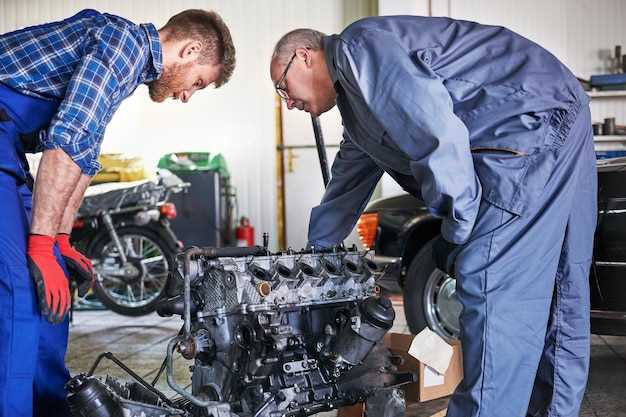
When rebuilding a carburetor for your classic V8 engine, replacing worn-out parts is crucial for ensuring optimal performance and longevity. Understanding which components are prone to wear can help you focus your efforts effectively.
Start by examining the gaskets and seals. These parts are typically made from rubber or cork and can degrade over time, leading to air leaks and fuel inefficiencies. Always replace old gaskets with high-quality substitutes designed to withstand exposure to fuel and oil.
Next, assess the float and needle assembly. The float regulates fuel levels within the carburetor, and any damage can cause flooding or starvation. Check the float for punctures and ensure the needle valve operates smoothly. If you notice any irregularities, they should be replaced during the rebuild process.
The jets are another critical area to inspect. Clogged or corroded jets can severely impact fuel delivery. Clean them thoroughly; if that doesn’t restore function, new jets may be necessary to achieve the desired performance.
Take a close look at the throttle and choke plates. Worn or warped plates can cause poor air-fuel mixture and throttle response. If you find significant wear, consider replacing these components to ensure a tight seal and proper operation.
Furthermore, the accelerator pump is essential for providing additional fuel during sudden acceleration. Inspect it for cracks and ensure it provides a strong squirt when the throttle is engaged. If it’s lacking in performance, it’s time for a replacement.
Lastly, don’t forget to evaluate any internal components, like the power valve and diaphragm. These parts are integral to the carburetor’s function and should be replaced if they show signs of wear or damage.
By focusing on these key areas when rebuilding your carburetor, you can ensure reliable operation of your classic V8 engine and improve overall performance.
Adjusting Fuel and Air Mixtures for Optimal Performance
Proper adjustment of fuel and air mixtures in your carburetor is crucial for achieving optimal performance in your classic V8 engine. The correct mixture ensures efficient combustion, maximizing power output while minimizing fuel consumption and emissions. Here’s a detailed breakdown of how to adjust these mixtures effectively.
Understanding the elements involved in the fuel-air mixture is essential:
- Idle Circuit: Determines the mixture when the engine is idling.
- Main Jet: Affects the mixture at higher RPMs under load.
- Power Valve: Engages under acceleration to enrich the mixture.
To adjust the fuel and air mixtures, follow these steps:
- Check Existing Settings: Start with noting the current jet sizes and adjustment settings.
- Warm Up the Engine: Ensure the engine is at operating temperature for accurate adjustments.
- Adjust the Idle Mixture:
- Locate the idle mixture screws on the carburetor.
- Turn them clockwise to enrich the mixture or counterclockwise to lean it out.
- Adjust until you achieve the highest idle RPM, then back off slightly for a stable idle.
- Test Drive: Take the vehicle for a short drive to evaluate performance.
- Fine-Tune the Main Jet:
- If experiencing hesitation, consider richening the main jet.
- If the engine stumbles or feels sluggish, try leaning it out.
- Check the Power Valve: Ensure it is functioning correctly. Replace if necessary.
After adjustments, monitor the engine’s performance over time to ensure consistency. Using a wideband air-fuel ratio (AFR) gauge can provide real-time feedback, making it easier to dial in the precise mixture for your V8 engine.
Proper calibration of your carburetor will lead to enhanced throttle response, better fuel economy, and overall improved engine performance, ensuring your classic V8 runs optimally.
Testing Your Rebuilt Carburetor Before Installation
Once the rebuild of your carburetor is complete, it’s essential to conduct several tests to ensure proper functionality before installation. A thorough evaluation helps identify any potential issues that could affect engine performance.
Begin by checking for fuel leaks. Connect the rebuilt carburetor to a fuel supply without installing it on the engine. Turn on the fuel supply and observe for any signs of leakage around the gaskets and fittings. Leaks can indicate improper sealing or damaged components that need attention.
Next, verify that the choke and throttle mechanisms operate smoothly. Manually open and close the throttle while observing the response. The movement should be precise with minimal resistance. Adjustments may be necessary if any binding occurs.
After confirming mechanical integrity, perform a float level test. With the carburetor upside down, check that the float height matches manufacturer specifications. This step is crucial to ensure proper fuel delivery and prevent flooding or starvation during operation.
It’s also advisable to conduct a pressure test if possible. Utilizing a pressure gauge, you can check the fuel inlet pressure to verify that it meets the engine’s requirements, ensuring optimal performance after installation.
If you have the ability, a bench test of the carburetor can provide further reassurance. Using a vacuum gauge, simulate engine conditions to observe how the carburetor responds under various loads and RPMs. This test allows you to fine-tune any adjustments before actual installation.
Lastly, double-check all adjustments and settings against the factory specifications. This includes mixture settings, idle speed, and any additional tuning required for your specific engine. A meticulous approach to testing your rebuilt carburetor will enhance your classic V8 engine’s performance and reliability.


